

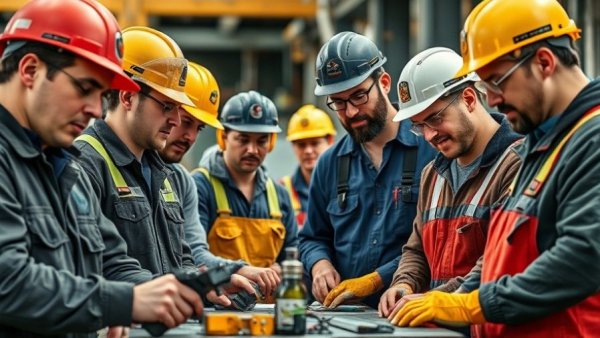
The Skills Gap: A Looming Workforce Crisis
The looming crisis in America's skilled trades is not merely a statistical projection; it represents a fundamental transformation in our workforce landscape. With 1.7 million job openings anticipated annually through 2035, we're witnessing the potential displacement of an entire generation of skilled tradespeople. As noted in a recent report by Jobs for the Future (JFF), a staggering 24% of this workforce is aged 55 and older, compared to just 11% who are under the age of 25. This demographic shift highlights the pressing need to cultivate new talent in the field.
The Changing Face of Skilled Trades
As industries evolve, so too must the skill sets and training programs designed for prospective tradespeople. The JFF report emphasizes the strong projected growth of specific trades: industrial machinery mechanics are set to see a remarkable 17.8% growth, followed by HVAC technicians at 10.9% and electricians at 9.2%. Those entering these careers can expect median salaries ranging from $50,620 for automotive technicians to $64,520 for industrial machinery mechanics. These figures illustrate not just the demand, but the potential for lucrative careers in the skilled trades—a sector often overlooked in favor of white-collar professions.
Opportunities for Growth and Development
In the shadow of these statistics lies a wealth of opportunity, as highlighted in Monster’s Skilled Trades Career Guide. Apprenticeships, technical programs, and on-the-job training are critical pathways for individuals seeking to break into these fields. For architects, contractors, and fabricators, the need for skilled installers and knowledgeable personnel is greater than ever—particularly in industries like granite, marble, and tile, which are pivotal to interior design and construction. Investing in these training programs is not merely beneficial; it is essential for the future stability of the workforce.
This crisis for skilled trades comes with a silver lining—a chance for a reinvigorated workforce capable of meeting emerging demands. As our society becomes increasingly reliant on sophisticated technologies, the trades that support these advancements will be crucial. Embracing this potential means cultivating not just a workforce, but a community of innovators ready to shape tomorrow’s industry.





Write A Comment