

Why Your RCC Batching Plant Might Not Live Up to Expectations
When it comes to roller-compacted concrete (RCC) projects, procurement often stumbles at the very first step: specifying the right batching plant. The result? Equipment that struggles to deliver on its promises, disrupting the entire construction process. The discrepancies between conventional ready-mixed concrete (RMC) and RCC must not be underestimated. While they may appear similar on paper, their differences in composition and operational requirements could be a project manager's worst nightmare.
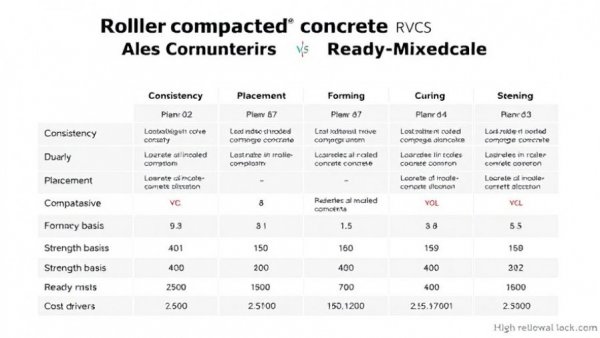
Understanding the Material Differences: RCC vs. RMC
RCC is a zero-slump material, characterized by a high density and a coarse, gap-graded aggregate structure—a far cry from the plastic and pumpable nature of RMC. This fundamental distinction demands specific machinery engineered for robust performance under different stressors. A batching plant not designed explicitly for RCC can easily falter, leading to blocked mixers and inconsistent outputs, which are simply not tolerable in projects that depend on precision.
Key Specifications That Matter in Batching Plants
It’s imperative for those involved in RCC projects, such as architects and contractors, to scrutinize specifications meticulously. For example, the maximum aggregate size plays a crucial role in determining mixer performance. A standard ready-mix plant may effectively handle aggregates no larger than 80 mm, yet RCC demands sizes reaching up to 180 mm. Therefore, if the mixing equipment isn't adequately equipped—think modified arm geometry and enhanced discharge openings—the entire batching process is at risk.
The Importance of Powder Management
Another critical oversight when transitioning from RMC to RCC is mismanaging the powders involved in the mix. Unlike RMC, which typically comprises just cement and one or two additives, RCC recipes can involve multiple powders, each needing precise management for accurate mixing and performance. This complexity also reinforces the need for a technological leap in batch processing capabilities; substandard inputs can lead directly to quality failures.
Temperature Management: A Must-Have Feature
The influence of temperature cannot be overstated in mass RCC placements. Particularly in warmer climates, maintaining low mix temperatures is essential to prevent setting issues. Specialized batching systems that integrate temperature controls—such as chilled mixing water and aggregate precooling—are non-negotiable for ensuring the integrity of the final product. Failure to incorporate these systems could result in costly setbacks down the line, emphasizing the need for stringent specifications in the RFQ.
Takeaway for Industry Professionals
Whether you are an architect, contractor, or fabricator, understanding the intricate specifications for RCC batching plants can save a project from befalling common pitfalls. With an emphasis on rigorous equipment specifications, from aggregate size to moisture control, you can ensure a smooth, successful project completion. Prioritize accuracy and accountability in your specifications, and you’ll be setting yourself up for success in the challenging world of RCC construction.





Write A Comment