
cropper
update
EV Alliance
update
  • Home
  • Categories
    • Luxury Electric
    • EV Travel Events
    • Maybach
    • ev innovation
April 09.2025
2 Minutes Read

Kimi's Record-Breaking Performance in F1 Racing at the Japanese GP

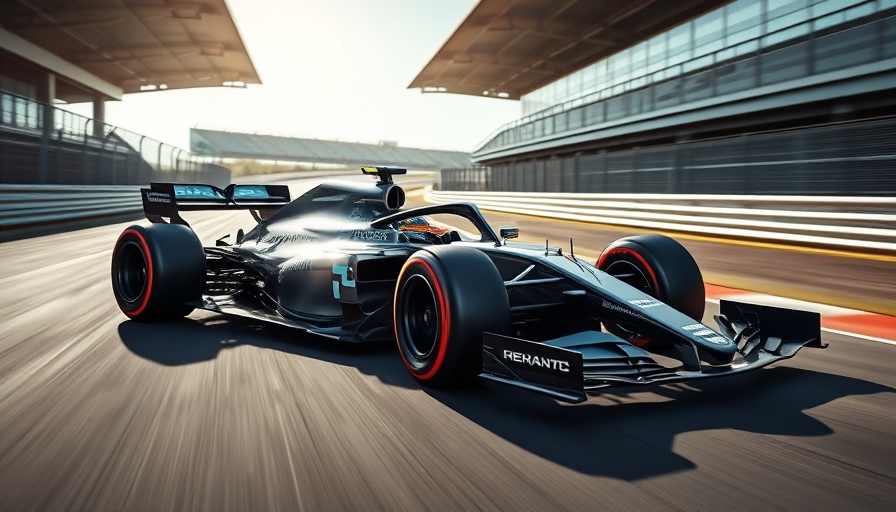
Formula 1 car racing on track in Japan.

Max Verstappen's Dominance: A Prelude to Kimi's Records

The 2025 Japanese Grand Prix showcased not only the fierce competition within Formula 1 but also highlighted remarkable feats by Kimi, who continues to break records at just 18 years old. While Max Verstappen took a commanding pole position, demonstrating his mastery of the circuit, Kimi's journey throughout the race was equally notable. His abilities on the track placed him firmly in the spotlight, and fans are left buzzing about what this young talent will accomplish next.

In Kimi Breaks Multiple F1 Records | 2025 Japanese GP F1 Akkodis Race Debrief With James Allison, the discussion dives into Kimi's remarkable performance and the strategic dynamics of the race, prompting a closer look at the implications for the season ahead.

All About Kimi's Stellar Performance

In the context of the race weekend in Japan, Kimi stood out with an impressive performance that included clinching the fastest lap and leading the race. His achievements are made even more remarkable by the pressing nature of the race, which proved to be a test of endurance and strategy. As a rookie driver, Kimi leveraged tire management and race strategy to finish strong, showing he can keep up with seasoned competitors like George Russell.

The Impact of Tire Strategy on Race Outcomes

An essential part of the conversation surrounding this race is the tire strategies employed by the teams. George Russell's early pit stop was pivotal, influenced by his aggressive approach to pressurizing the Ferrari ahead. However, this tactic inadvertently heated his tires prematurely, affecting his performance as the race progressed. Successfully managing tire durability is crucial in F1, as highlighted by the challenges faced by many drivers due to the track's layout.

Future Predictions: Kimi's Path Forward in F1

With multiple accolades already to his name at such a young age, predictions for Kimi’s future in F1 are undeniably optimistic. As we move toward upcoming races, particularly in setups that challenge tire durability like Bahrain, observers are keen to see how he will adapt. His ability to perform under pressure and learn rapidly indicates he might soon be a formidable contender in the series, further solidifying his place among F1’s elite.

If you find yourself captivated by the thrilling world of Formula 1 racing, stay tuned for updates on future events and Kimi's ongoing journey. The exhilarating drama and strategic nuance of F1 keep fans on the edge of their seats, and there is so much more to uncover in this fast-paced arena.

ev innovation

13 Views

0 Comments

Write A Comment

*
*
Please complete the captcha to submit your comment.
Related Posts All Posts
10.03.2025

Advanced Sustainable Fuels in F1: A Leap Towards Cleaner Racing

Update Fueling the Future of F1: Advanced Sustainable Solutions As the motorsport world prepares for the 2026 season, the shift towards advanced sustainable fuels represents a critical juncture in the evolution of Formula 1. Companies like PETRONAS are at the forefront, not just replacing fossil fuels but reimagining what energy can mean for the future. The integration of sustainable fuels isn't merely about compliance; it's a statement of responsibility towards a greener planet. In The Road to 2026: The Science of Advanced Sustainable Fuel, the focus is on the innovative strides being made in motorsport fuel efficiency, prompting a deeper analysis of its significance. The Science Behind Sustainable Fuels Advanced sustainable fuels are a drop-in solution derived from biomass and waste materials, which do not compete with food production. This clever innovation highlights the potential to harness resources that are both renewable and efficient. For instance, while maximizing energy density and octane rating for superior performance, these fuels also promise up to 65% greenhouse gas savings according to the European Union Renewable Energy Directive. Overcoming Challenges: Performance and Regulation Transitioning to advanced fuels poses unique challenges—chiefly balancing performance with new regulations. As teams experiment with different chemistries to ensure smooth operation and powerful combustion, they face tough standards that require fuel formulations to match conventional powersports. This collaboration between engineers and chemists is vital to ensuring that performance doesn't take a back seat on the road to sustainability. Collaborative Efforts for Greater Impact The partnership between Mercedes-AMG PETRONAS F1 Team and PETRONAS exemplifies how collaborative innovation can lead to remarkable results. By supplying 98% HVO100 coverage during the last racing season, they've significantly reduced emissions in one of the most demanding environments—motorsport logistics. This determination to minimize carbon footprints serves as a valuable model for other industries seeking to pivot towards sustainability. What's Next? The Road Ahead As these advancements unfold, they also promise valuable insights for road users. The experiences and knowledge gained in the high-stakes world of F1 could guide the development of cleaner transportation solutions for everyday motorists. The commitment to developing a new generation of fuels sets the groundwork for not just a cleaner sport, but a cleaner world. In summary, the evolution of advanced sustainable fuels in Formula 1 signals more than just a racing trend; it marks a dedicated move towards a sustainable future, with potential benefits that extend well beyond the track.

09.02.2025

The Road to 2026: What F1 Changes Mean for Power Units

Update The Future of Power Units in Formula 1 In the thrilling world of Formula 1, where speed and innovation collide, the upcoming changes to the power units by 2026 promise to reshape the way we think about racing. The shift from traditional combustion engines towards a 50/50 blend of combustion and electrical power marks a significant evolution in the sport. This move isn't just about engineering; it reflects a conscious effort to lead the charge in sustainability while enhancing performance on the track.In 'The Road to 2026: The Power Unit', the discussion dives into the significant changes coming to power units in Formula 1, exploring key insights that sparked deeper analysis on our end. Embracing Advanced Sustainable Fuels One of the most groundbreaking changes will be the transition from 10% sustainable fuel to a staggering 100% advanced sustainable fuel. This transition illustrates Formula 1’s commitment to not only pushing the limits of automotive technology but also promoting eco-friendly practices that can influence everyday driving experiences. For PETRONAS and other manufacturers, this represents an opportunity to pioneer fuel technology that will eventually benefit all road users. Enhanced Power and Energy Management The fundamental changes to the power units include a dramatic increase in the power generated by the electrical systems. The MGU-K, the device responsible for generating power during braking, is set to expand from 120 kilowatts to an impressive 350 kilowatts. This not only increases performance but significantly alters how drivers utilize their vehicles during the race, providing them with a versatile arsenal for attack and defense during wheel-to-wheel battles. This is expected to enhance the thrill of racing, leading to more dynamic on-track strategies. The Symbiotic Relationship Between Fuel and Engine As the regulations evolve, the relationship between the fuel and the engine grows increasingly intertwined. Manufacturers are making strides to develop engine designs that complement the characteristics of the new fuel. This synergy is crucial, as it allows teams to innovate more effectively, setting a level playing field for new entrants in Formula 1. Implications for the Road Cars of Tomorrow An exciting aspect of these regulatory changes is the potential impact on non-racing vehicles. The advancements in battery technology and sustainable fuels are not confined to race tracks; they are paving the way for progressive developments in road vehicles. Innovations such as PETRONAS Iona cooling fluid highlight how lessons from F1 can transfer to commercial use, creating a future where road cars are more efficient, powerful, and responsible. As we gear up for the incredible changes ahead, the road to 2026 signifies much more than a technical upgrade; it's a shift in mindset about how motorsports can influence broader automotive developments. With every lap run, Formula 1 is not just racing towards victory—it’s speeding towards a sustainable future.

08.27.2025

Doriane's F1 Academy Car: The Future of Formula 1 Racing Awaits!

Update Racing Into the Future: An Inside Look at Doriane's F1 Academy Car The world of Formula 1 is buzzing with excitement, especially with the introduction of the F1 Academy aimed at nurturing young racing talent. In a recent video, Doriane provides us with an insider glimpse of her Formula 1 Academy car, showcasing the cutting-edge technology and design that sets these machines apart. The thrill of F1 racing is palpable as she highlights her journey in this prestigious program.In Doriane shows us her F1 Academy car 👀, the discussion dives into the world of emerging talents in Formula 1, exploring insights that sparked deeper analysis on our end. The Significance of the F1 Academy The F1 Academy represents a pivotal step in the world of motorsports, aiming to inspire and train the next generation of female drivers. With Doriane at the wheel, audiences can have a front-row seat to the journey of emerging talents as they transition from karting to the professional motorsport circuit, providing an opportunity to see their development in a competitive environment. What's Unique About Doriane's Car? One of the compelling aspects of Doriane's F1 Academy car is its design; it combines speed with safety, showcasing advancements in aerodynamics and engineering. The use of hybrid technology highlights how F1 racing is evolving, making the sport more sustainable while maintaining the thrill of high-stakes competition. This is vital as the world shifts towards a greener future in motorsports. Behind the Scenes: Life in the Fast Lane Doriane's experience in the academy offers a glimpse behind the scenes of F1 racing. It's not just about speed; it's also about strategy, teamwork, and dedication. As she navigates the challenges of racing, Doriane exemplifies the perseverance required in this exhilarating sport. Her journey will surely inspire many young drivers dreaming of competing at the highest level. Why F1 Racing Matters Formula 1 isn't just a sport; it’s a spectacle that brings people together. Each race tells a story of innovation, resilience, and passion. As the racing season unfolds, fans keep an eye on F1 results with anticipation, eager to see how young talents like Doriane will impact the track. The excitement of each event reminds us that the essence of F1 lies in its ability to unite fans from all corners of the globe.

Terms of Service

Privacy Policy

Core Modal Title

Sorry, no results found

You Might Find These Articles Interesting

T
Please Check Your Email
We Will Be Following Up Shortly
*
*
*